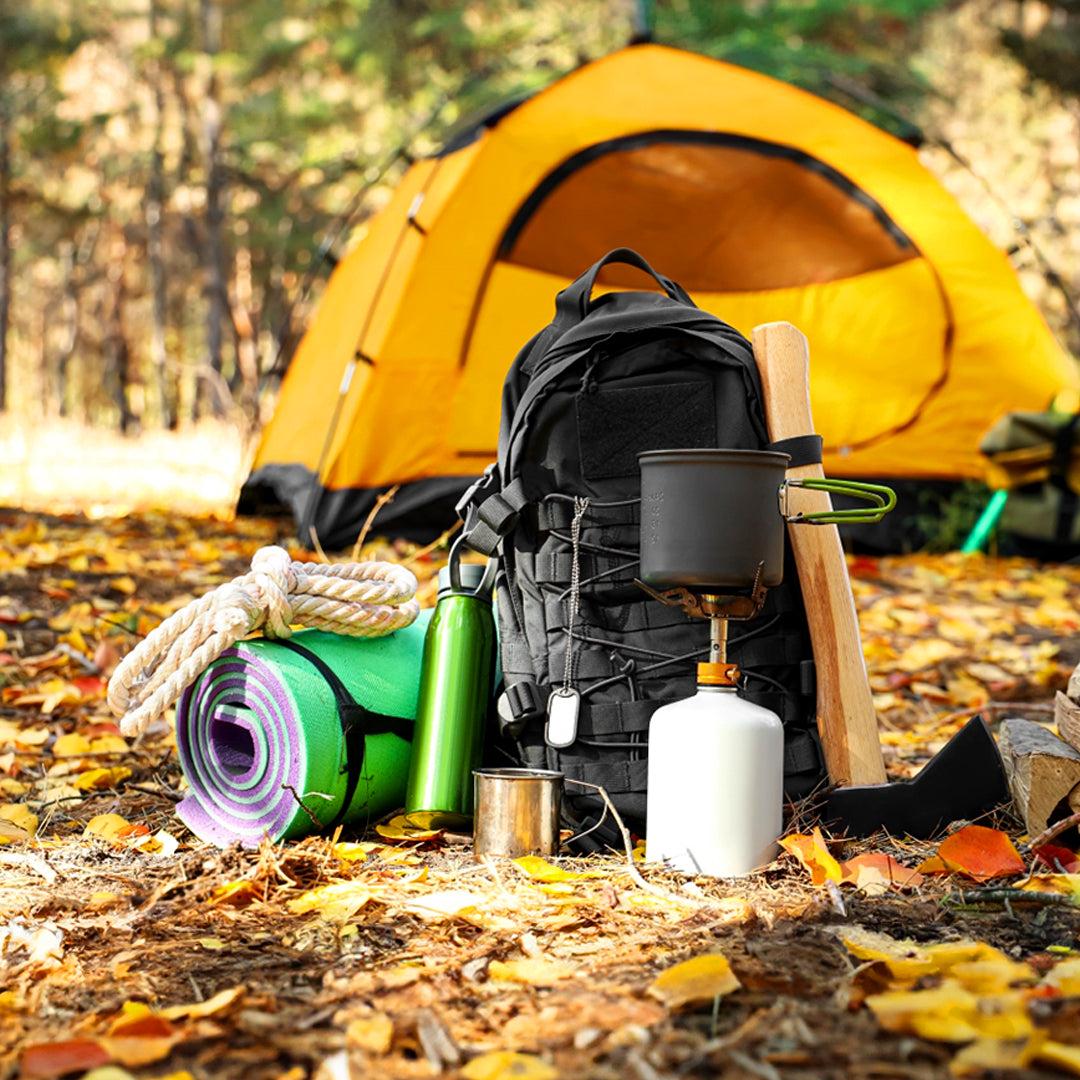
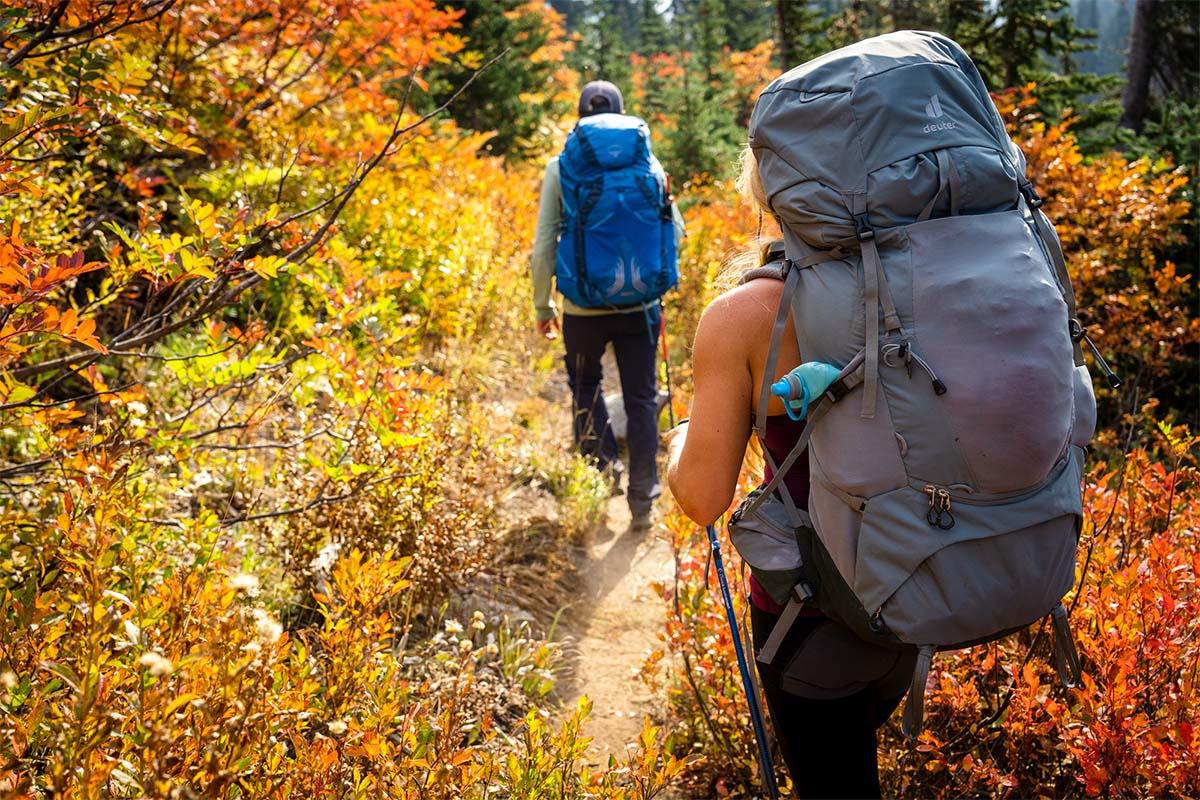
 There is something special about spending time outdoors in the fall. The air turns crisp and refreshing, summer's heat gives way to comfortable hiking temperatures, and forests transform into spectacular displays of red, orange, yellow, and gold. For campers and hikers, autumn can be one of the best seasons of the year to explore the outdoors.
Fall camping and hiking offer many of the experiences people love about summer camping, but with fewer insects, cooler temperatures, quieter trails, and incredible scenery. At the same time, autumn introduces a few challenges that every outdoor enthusiast should be prepared for. Shorter days, rapidly changing weather, colder nights, and wet leaves can turn a pleasant adventure into an uncomfortable one if you aren't properly prepared.
With the right equipment, clothing, planning, and attitude, however, fall is an excellent time to grab your backpack, lace up your hiking boots, and head into the woods.
Why Fall Is One of the Best Seasons for Camping and Hiking
Summer is traditionally considered peak camping season, but experienced campers know that autumn has some significant advantages.
The biggest attraction is undoubtedly the scenery. Deciduous forests can become breathtaking as their leaves change colors. A familiar trail you've walked dozens of times during the summer can look completely different beneath a canopy of brilliant autumn foliage.
Temperatures are another major benefit. Hiking several miles on a hot summer afternoon can leave you exhausted and dehydrated. Fall's cooler temperatures make it easier to maintain a comfortable pace, particularly on longer hikes or trails with significant elevation changes.
The bugs are generally less bothersome as temperatures drop, too. Mosquitoes and other insects that can make summer camping uncomfortable tend to become less active during the cooler months.
Fall can also bring a greater sense of solitude. Depending on where you camp, popular campgrounds and hiking trails may be noticeably less crowded after the summer vacation season ends.
Of course, autumn weather can be unpredictable, which means preparation becomes especially important.
Planning Your Fall Camping Trip
A successful autumn camping trip starts before you ever leave home.
Begin by researching your destination and checking the weather forecast for the entire period you'll be outdoors. Don't simply look at the daytime high temperature. Pay close attention to overnight lows, wind, precipitation, and the possibility of changing conditions.
A forecast calling for 60°F during the day may sound comfortable, but if temperatures drop into the 30s overnight, you'll need substantially more insulation than you would for a summer camping trip.
Also consider the amount of daylight available.
As autumn progresses, sunset arrives earlier. That means you have less time to reach your campsite, prepare dinner, collect permitted firewood, and establish your sleeping area before darkness arrives.
Plan accordingly.
If you're hiking to a remote campsite, give yourself plenty of extra time. It's much better to arrive at camp with daylight remaining than to discover that you're still several miles from your destination as darkness approaches.
Before leaving, tell someone where you're going, what trail you plan to use, where you're camping, and when you expect to return. If your plans change significantly, update that person whenever possible.
Dress for Fall's Changing Temperatures
One of the most important principles of fall camping is layering.
Autumn temperatures can vary dramatically between morning, afternoon, and evening. You may start your hike wearing several layers and find yourself removing clothing after a few miles. Later that evening, you'll want those same layers back.
A good layering system generally consists of:
Base Layer
Your base layer helps manage moisture next to your skin. Avoid relying solely on cotton during cold-weather adventures because cotton tends to retain moisture and can leave you feeling chilled.
Moisture-managing synthetic or wool layers are often better choices for outdoor activities.
Insulating Layer
Your insulating layer helps retain body heat. Depending on the weather, this might be a fleece jacket, insulated jacket, or other warm mid-layer.
Outer Layer
Your outer layer protects you from wind and precipitation. A waterproof or water-resistant shell can become especially valuable during unpredictable fall weather.
Don't forget your extremities. A warm hat, gloves, and appropriate socks can make an enormous difference when temperatures fall after sunset.
And remember that your clothing isn't just about comfort. Staying warm and dry is an important part of staying safe outdoors.
Choosing the Right Sleeping Gear for Autumn
One of the most common mistakes new fall campers make is preparing for the daytime temperature rather than the nighttime temperature.
Your sleeping system needs to be appropriate for the coldest conditions you expect to encounter.
A quality sleeping bag or quilt with an appropriate temperature rating is an essential piece of fall camping equipment. However, your sleeping bag isn't the only factor determining how warm you'll be.
Your sleeping pad provides insulation between your body and the cold ground. Even a warm sleeping bag can perform poorly if you're losing heat through the ground.
For colder nights, consider your entire sleeping system:
- Appropriate sleeping bag or quilt
- Insulated sleeping pad
- Tent suitable for expected weather
- Dry sleeping clothes
- Warm socks
- Hat or other head insulation
- Emergency blanket or additional emergency insulation
It's also smart to keep clothing and other items you don't want getting wet inside waterproof bags or dry bags.
Selecting the Right Tent for Fall
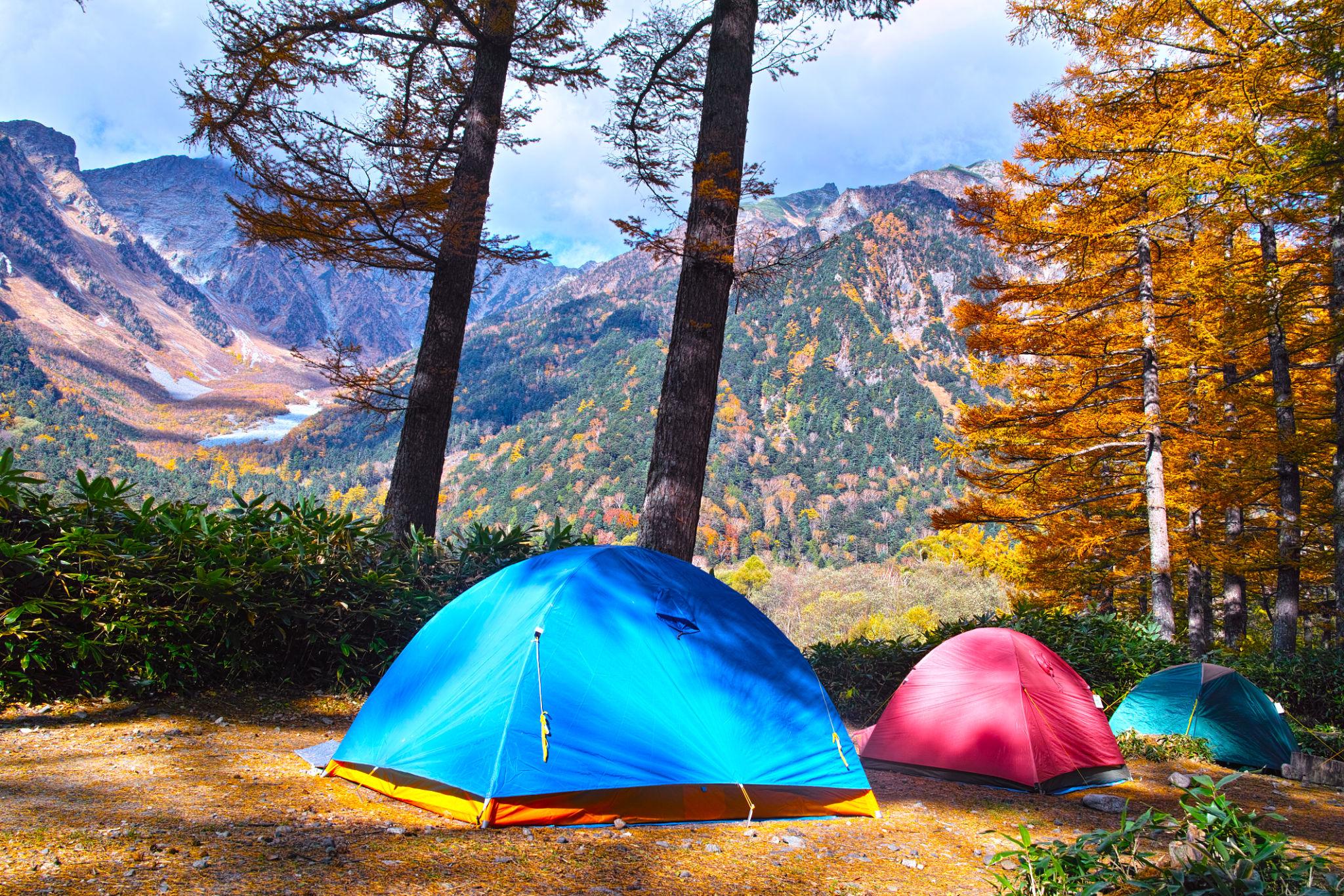 Your tent is your home away from home, and autumn weather can put it to the test.
A good fall tent should provide protection from wind and rain while offering adequate ventilation to minimize condensation.
Before your trip, inspect your tent carefully.
Check the seams, zippers, poles, stakes, rainfly, and floor. If you've owned the tent for several seasons, don't wait until you're standing in the woods during a rainstorm to discover that something needs repair.
When selecting your campsite, avoid low areas where rainwater could collect. Look for reasonably level ground that provides good drainage.
However, don't camp directly beneath dead branches or visibly damaged trees. Wind can cause branches to fall unexpectedly, creating a serious hazard.
Don't Forget the Importance of a Good Backpack
Whether you're hiking for a few hours or carrying everything you need for several days, a properly fitted backpack makes a tremendous difference.
A pack that doesn't fit correctly can cause sore shoulders, aching hips, back discomfort, and fatigue.
For day hikes, a smaller daypack may be all you need. Longer trips require larger backpacks capable of carrying food, shelter, sleeping equipment, clothing, water, and emergency supplies.
Whatever pack you choose, resist the temptation to fill every available pocket.
Every extra pound matters.
A common mistake among newer backpackers is bringing too much equipment "just in case." Some emergency equipment is absolutely worth carrying, but unnecessary weight can make a long hike considerably harder.
Before your trip, lay everything out and ask yourself whether each item is necessary.
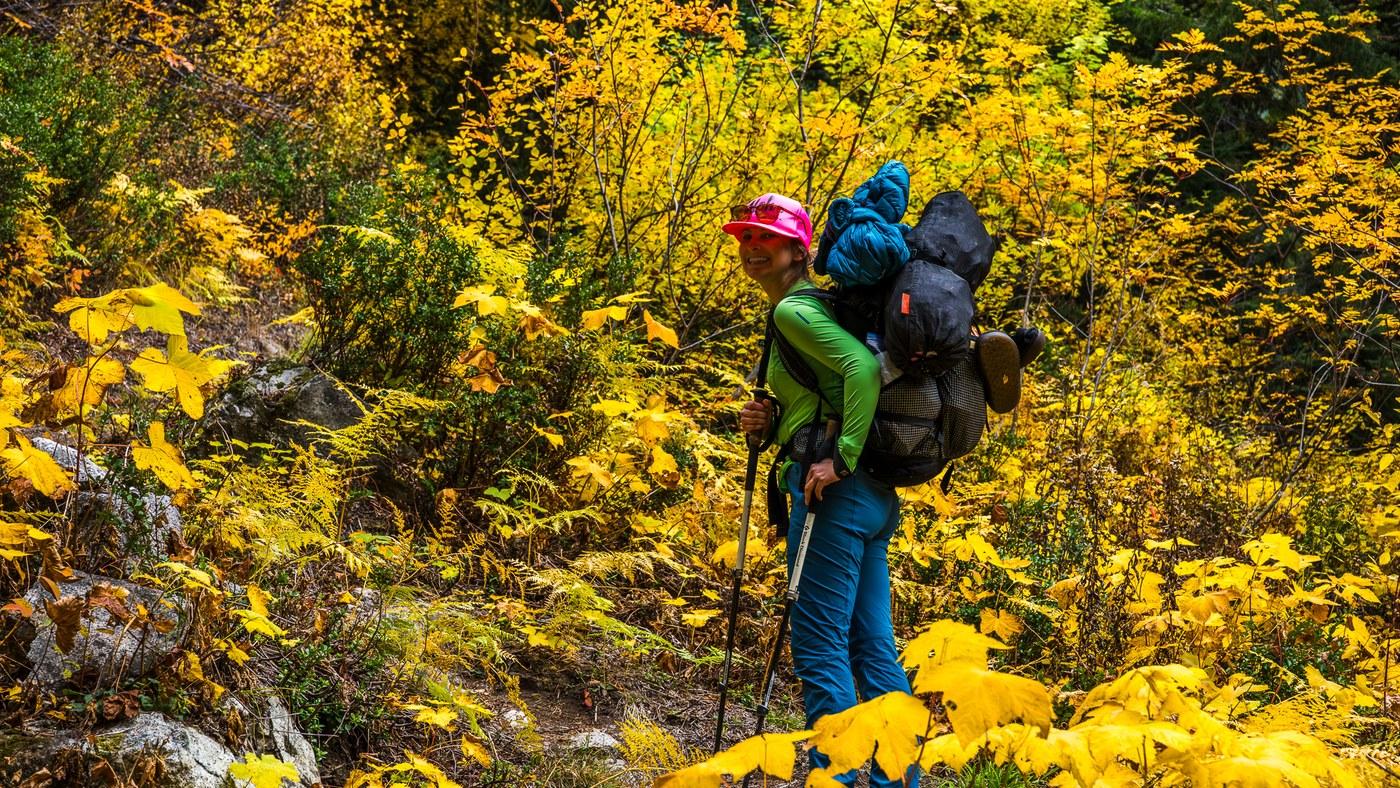 Fall Hiking Requires Extra Attention to the Trail
Autumn creates beautiful hiking conditions, but fallen leaves can hide hazards.
Roots, rocks, holes, branches, and uneven terrain can become difficult to see beneath a layer of leaves.
Wet leaves can also become surprisingly slippery.
Slow down when necessary and pay attention to where you're placing your feet. Hiking poles can provide additional stability, particularly on steep or slippery sections of trail.
Water crossings deserve extra caution as well. Heavy autumn rain can cause streams and creeks to rise quickly.
And remember that your surroundings may look different than they did during summer. Fallen leaves can obscure trail markers, while reduced visibility and earlier sunsets can make navigation more challenging.
A map, compass, GPS device, or navigation app can be extremely helpful. Don't rely exclusively on your cell phone, either. Remote areas may have little or no cellular service.
Bring Plenty of Water
Cooler temperatures can make you less aware of how much you're sweating, but hydration remains important during fall hikes.
Carry enough water for the distance and conditions, and know where reliable water sources are located if you're traveling in the backcountry.
If you plan to collect water from streams or lakes, use an appropriate water filtration or purification method rather than assuming that clear-looking water is safe to drink.
Remember that cold weather doesn't eliminate the need for hydration.
Pack Food That Works Well in Cold Weather
Fall is a wonderful season for camp cooking.
There's something particularly satisfying about enjoying a hot meal after hiking through a crisp autumn forest.
Choose foods that provide a good balance of carbohydrates, protein, fats, and calories. Easy-to-prepare meals can reduce the amount of time you spend cooking and cleaning.
Good fall camping options might include:
- Hot oatmeal with nuts and dried fruit
- Trail mix
- Energy bars
- Dehydrated meals
- Soup
- Chili
- Pasta
- Rice dishes
- Peanut butter and crackers
- Hot chocolate or warm cider
Keep food securely stored and follow local regulations regarding food storage and wildlife.
Never assume that because the weather is cooler, animals won't be interested in your food.
Be Prepared for Rain
Fall and rain go together in many parts of the country.
A beautiful autumn morning can quickly turn into a wet afternoon.
Pack rain gear even if the forecast looks favorable. A lightweight waterproof jacket can be one of the most valuable pieces of equipment in your backpack.
Protect your other equipment as well.
Use waterproof stuff sacks, dry bags, or plastic liners to protect clothing, sleeping gear, electronics, and other important items.
One particularly important rule is to keep your sleeping bag dry.
A wet sleeping bag can become a major problem when temperatures drop. If you need to carry your sleeping bag inside your backpack, consider placing it inside a waterproof liner or dry bag.
Campfires: Enjoy Them Responsibly
Few things are more enjoyable than sitting around a campfire on a cool autumn evening.
The crackling fire, warm glow, and smell of wood burning can make a fall camping trip memorable.
But always follow local fire regulations.
Some areas prohibit campfires entirely, while others permit them only in established fire rings. Never assume fires are allowed simply because you've had one there before.
When fires are permitted:
- Use established fire rings when available.
- Keep fires small and manageable.
- Never leave a fire unattended.
- Keep water nearby.
- Completely extinguish the fire before leaving.
- Follow local regulations regarding firewood.
- Never burn trash or plastics.
A beautiful campsite isn't worth risking a wildfire.
Practice Leave No Trace Camping
Fall is also an excellent time to practice responsible outdoor recreation.
The changing leaves and cooler weather may make the forest look rugged and resilient, but natural areas can still be easily damaged.
Follow Leave No Trace principles whenever possible.
Stay on established trails, camp in appropriate areas, properly dispose of waste, respect wildlife, and pack out what you bring in.
Don't take souvenirs from the forest. Leave colorful leaves, rocks, plants, antlers, and other natural objects where you find them.
The goal is simple:
Enjoy the outdoors without leaving evidence that you were there.
Fall Camping With the Family
Autumn camping isn't only for experienced backpackers.
Families can enjoy fall camping too.
In fact, the cooler temperatures can make it easier for children to spend time outdoors without overheating.
Plan shorter hikes, bring plenty of snacks, and make the trip an adventure rather than a race to reach a destination.
Children often enjoy simple activities such as:
- Looking for animal tracks
- Identifying different trees
- Photographing colorful leaves
- Stargazing
- Cooking over a camp stove
- Collecting photographs of interesting rocks and plants
- Listening for birds and wildlife
Just make sure children have appropriate clothing and plenty of insulation as temperatures drop.
Don't Forget the Little Things
Some of the most useful camping equipment isn't necessarily the largest or most expensive.
A well-prepared fall camper should consider carrying:
- Headlamp or flashlight
- Extra batteries or power bank
- First-aid kit
- Navigation equipment
- Fire-starting supplies where permitted
- Emergency shelter
- Extra food
- Extra water
- Multi-tool
- Whistle
- Rain gear
- Extra socks
- Warm hat and gloves
- Sunscreen
- Insect protection when appropriate
A headlamp deserves special mention.
Because autumn sunsets arrive earlier, there's a greater chance you'll find yourself setting up camp or walking back to the car after dark. A headlamp keeps your hands free and is much easier to use than holding a flashlight.
And always carry a backup light source on longer or more remote trips.
Make Fall Camping About the Experience
Perhaps the greatest benefit of autumn camping is that it encourages you to slow down.
Summer camping can sometimes feel busy. There are longer days, crowded campgrounds, water activities, and countless things competing for your attention.
Fall has a different rhythm.
Wake up to cool morning air. Make a hot cup of coffee. Listen to the wind moving through the trees. Walk along a trail covered in colorful leaves. Stop occasionally and simply enjoy the view.
When evening arrives, put on a warm layer, prepare dinner, and watch the sun disappear behind the trees.
Then look up.
Fall nights can provide excellent opportunities for stargazing, particularly away from city lights.
You don't need an elaborate itinerary.
Sometimes the best camping trip is simply one where you have enough time to enjoy where you are.
Your Fall Camping Checklist
Before heading out, run through this basic checklist:
Shelter
- Tent
- Rainfly
- Tent stakes
- Ground protection
- Sleeping bag
- Sleeping pad
Clothing
- Base layers
- Insulating layer
- Waterproof jacket
- Extra socks
- Warm hat
- Gloves
- Hiking footwear
Food and Water
- Water
- Water filtration or purification equipment
- Meals
- Snacks
- Stove and fuel if needed
- Cooking equipment
Safety
- First-aid kit
- Map and navigation equipment
- Headlamp
- Backup light
- Emergency shelter
- Whistle
- Extra food and water
Comfort
- Camp chair
- Trekking poles
- Camera
- Book
- Coffee or hot chocolate
- Binoculars
Adjust the list based on your destination, trip length, weather forecast, and experience level.
Get Ready for Your Next Autumn Adventure
Fall is arguably one of the most rewarding times of year to explore the outdoors. The cooler weather, changing leaves, quieter trails, and crisp evenings create an atmosphere that's difficult to duplicate during any other season.
But the key to enjoying autumn camping isn't simply owning the right equipment. It's knowing how to use it, understanding the conditions you're likely to encounter, and being prepared for weather to change.
Whether you're planning a weekend at a nearby campground, a day hike through a colorful forest, or a multi-day backpacking adventure, take the time to prepare.
Pack the right layers. Protect your sleeping gear. Bring navigation and emergency equipment. Check the weather. Tell someone where you're going. Respect the land and wildlife.
Then get outside.
The leaves are changing, the trails are waiting, and fall won't last forever.
Explore Backwoods Camp Store
For your next outdoor adventure, explore the camping and hiking gear available from Backwoods Camp Store:
